Emergency Dentist Costs: What You Should Know Before Treatment

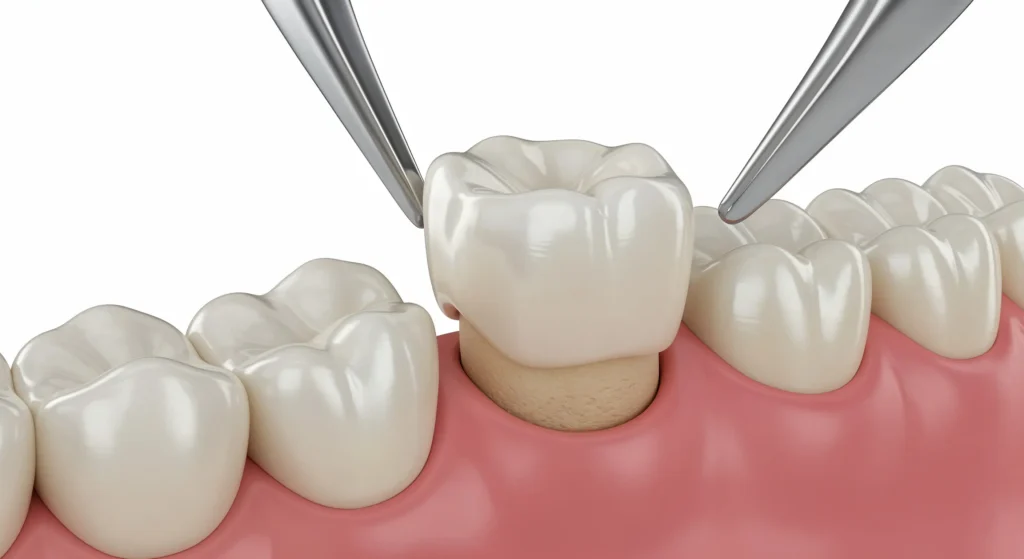

A dental emergency rarely arrives at a convenient time. It shows up on a Sunday afternoon, during a work trip, or right before a family event. The pain might start as a dull throb and turn sharp within hours. A crown can pop off while eating dinner. A child can take an elbow to the mouth at practice. In those moments, most people are not thinking about fee schedules or insurance codes. They are thinking, quite reasonably, about getting out of pain.
Still, cost matters, and it matters early. One of the most common frustrations patients have with emergency dental care is not simply the bill itself, but the uncertainty around it. They do not know what part of the visit is diagnostic, what part is treatment, what can be delayed, and what truly needs to happen the same day. The phrase “Emergency Dentist” often sounds like one single service, but it usually covers a chain of separate decisions, each with its own price.
Understanding how those decisions are made can help you avoid panic spending, ask better questions, and focus your budget on what protects your health rather than what feels urgent in the moment.
Why emergency dental bills vary so much
There is no universal emergency dental price because emergencies are not one thing. A chipped front tooth with no nerve exposure is very different from a spreading infection with facial swelling. One may need smoothing, bonding, and a follow-up. The other may need an exam, X-rays, medication, drainage, extraction, or referral to a specialist.
Most emergency visits are built from several parts. There is usually an urgent exam fee. There are often X-rays, sometimes one small film, sometimes a panoramic image, sometimes several views if the source of pain is not obvious. After that comes the actual treatment, which may be temporary or definitive.
A patient who arrives saying, “I need a tooth pulled today,” may still need a diagnostic workup before a dentist can safely confirm whether extraction is appropriate. Pain can be deceptive. I have seen cracked teeth that felt like sinus pressure, gum infections mistaken for toothaches, and severe clenching that convinced the patient a root canal was inevitable. Diagnosis is not filler on the bill. It is the step that keeps you from paying for the wrong procedure.
Location matters too. Fees in a dense urban area, a high-rent suburb, and a small town will not match. Hours matter. A same-day appointment during normal business hours may cost less than after-hours or holiday care. The type of practice matters as well. An independent general dental office, an emergency-only clinic, a hospital-based dental service, and an oral surgery office all price differently because their staffing, equipment, and case mix differ.
What you are usually paying for at an emergency visit
When people imagine emergency dental costs, they often think only about the big-ticket procedure, usually a root canal or extraction. In reality, the bill often starts with evaluation.
A typical emergency appointment may include a limited exam focused on the problem area, imaging, and a conversation about treatment options. If the issue is clear and straightforward, treatment might happen immediately. If the dentist needs to control infection, reduce swelling, or stabilize a broken tooth first, the first visit may function as a stopgap.
That distinction matters because temporary treatment is still treatment. Recementing a crown, placing a sedative filling, adjusting a bite that is traumatizing an inflamed tooth, draining an abscess, or prescribing medication can all provide real relief, even if the final restoration happens later. Patients sometimes feel frustrated when they pay for an emergency visit and leave without a “permanent fix,” but that is often the safer and more conservative path.
The costs also depend on whether the goal is pain control, tooth preservation, or removal. Preserving a tooth usually costs more upfront than removing it, especially if it needs root canal therapy followed by a crown. But extraction is not always the cheaper choice in the long run. Replacing a missing tooth with an implant, bridge, or partial denture can cost far more than saving the natural tooth would have.
Typical price ranges you may encounter
Specific fees vary widely, but broad ranges can help set expectations. An emergency exam might run roughly $75 to $200 in many private practices, sometimes more in high-cost areas or after-hours settings. X-rays may add anywhere from about $25 for a simple image to over $200 for more extensive imaging. If the issue is minor and resolved with a simple adjustment or temporary repair, the visit may stay in the low hundreds.
Once treatment becomes more involved, the numbers rise quickly. A simple extraction might range from around $150 to $400, while a surgical extraction can run several hundred dollars more. Root canal treatment can range from several hundred dollars on a front tooth to well over $1,500 on a molar, depending on complexity and region. If the tooth then needs a crown, that is another significant fee, often in the range of $900 to $2,000 or more.
These numbers are not promises, and they should not be treated as quotes. They are meant to show why patients can walk into an emergency visit expecting one charge and leave facing several layers of care. The sharp increase usually happens not because a dentist is “adding things on,” but because the emergency has exposed a structural problem that cannot be responsibly ignored.
A good example is a cracked molar. A patient may come in for pain and expect medication. The exam may show a deep fracture, inflamed pulp, and a failing old filling. If the crack is restorable, the treatment path may include urgent imaging, root canal therapy, a core build-up, and a crown. If the crack extends below the gumline and the tooth cannot be saved, the path could shift to extraction and later replacement. Same symptom, very different bill.
The difference between emergency relief and complete treatment
This is one of the most important financial distinctions to understand. Emergency care often focuses on immediate stabilization. Definitive care restores long-term function and structure.
Suppose you lose a filling and the tooth becomes sensitive to air and cold. A dentist may place a temporary material to protect the tooth and get you comfortable. That is emergency relief. If the underlying cavity is extensive, the permanent answer may be a new filling, an onlay, or a crown. The first appointment solves tonight’s problem. The second solves the tooth’s actual condition.
The same pattern shows up with infections. Antibiotics can be appropriate in some situations, especially where swelling or spreading infection is involved, but they rarely cure a tooth infection by themselves. If the source is an infected nerve, the tooth usually needs a root canal or extraction. Patients are often surprised when the pain settles for a few days and the dentist still insists on further treatment. That insistence is not upselling. It reflects the biology of the problem.
An honest emergency dentist should explain which part of today’s fee addresses pain, which part addresses diagnosis, and what future treatment is likely if you want a lasting result.
Insurance can help, but it does not erase uncertainty
Dental insurance is useful, but it is not simple. Many plans do cover limited emergency exams, necessary X-rays, and certain urgent procedures. The catch is that coverage can depend on waiting periods, annual maximums, network rules, and procedure classification.
A patient may hear that “emergency visits are covered” and assume the whole episode will be paid for. Often, the exam is covered at a higher percentage than the treatment. Or the extraction is covered, but the crown needed to save the tooth is only partially covered. Or the patient has already used a large portion of the annual maximum on prior cleanings, fillings, or orthodontic expenses.
Annual maximums are a frequent source of sticker shock. Many plans still cap benefits at levels that have not kept pace with treatment costs. If your plan has a $1,500 annual maximum and your emergency requires a root canal and crown, that maximum can disappear quickly. You are still insured, but only for the first part of the bill.
Network status matters too. An in-network office has agreed to contracted rates. An out-of-network emergency dentist may charge more, and the reimbursement from your plan may be based on a lower allowed amount. That gap comes out of your pocket.
It is also worth noting that not every office can verify benefits in full detail when you are calling in acute pain, especially after hours. Staff can often provide estimates, but estimates are not guarantees. Claims are processed after treatment, and the insurer makes the final determination based on your policy.
When the lowest quote can cost more later
Price shopping makes sense, particularly if you do not have insurance. But a very low emergency quote can be misleading if it covers only the exam and not the likely treatment. Patients sometimes compare offices by saying, “This place charges $89 for emergencies and that one charges $160.” That comparison is incomplete unless you know what is included.
An office with a higher urgent visit fee may include the focused exam and necessary X-rays. Another office may advertise a low entry price but charge separately for each image and each palliative step. Neither https://www.google.com/maps?cid=9042865669086661852 model is inherently wrong, but they should not be compared casually.
Quality and scope also matter. If a clinic can see you quickly but only offer medication and referral, you may still need to pay another office for definitive care the next day. In some situations that is appropriate. In others, it becomes more expensive than going straight to a practice equipped to treat the issue immediately.
This is especially relevant with dental trauma. If a front tooth is fractured after a fall, timing can affect the outcome. A same-day office that can evaluate pulp exposure, reposition teeth if needed, stabilize mobility, and plan restoration may save you from more extensive treatment later. A cheaper stopgap may not.
Questions worth asking before treatment starts
When you are in pain, it is hard to absorb information. Even so, a short set of practical questions can prevent misunderstandings. You do not need to interrogate the front desk or negotiate every line item. You do need a clear picture of what today includes and what it does not.
- What is the fee for the emergency exam, and are X-rays included or separate?
- Is today’s treatment temporary relief, definitive treatment, or a first step toward another procedure?
- If more than one option is clinically reasonable, what are the cost differences?
- Will there likely be a second appointment, and what might that involve financially?
- Do you offer payment plans or third-party financing if treatment is more extensive than expected?
Those questions are simple, but they shift the conversation from “How much is an emergency visit?” to “What problem are we solving today, and what is the full path likely to cost?” That is the better question.
Common emergency scenarios and how costs usually unfold
A knocked-out filling or crown often starts relatively modestly. If the tooth underneath is sound, recementing a crown or placing a protective temporary restoration may be manageable and affordable in the short term. The larger bill comes if the tooth has decay underneath, if the crown no longer fits, or if the underlying tooth structure has fractured. What looked like a quick fix then becomes a new crown or, in worse cases, endodontic treatment.
A severe toothache is the most unpredictable scenario because pain does not reliably reveal the cause. One patient needs a simple bite adjustment because a recent filling is too high. Another has irreversible pulpitis and needs a root canal. Another has gum disease and a periodontal abscess. The cost range is wide because the diagnosis range is wide.
Swelling raises the stakes. Facial swelling can indicate infection spreading beyond the tooth itself. Those cases may require urgent intervention, antibiotics in select situations, and sometimes referral to an oral surgeon or hospital if the airway or deeper spaces are involved. The cost issue becomes secondary when safety is on the line, but it is still wise to understand whether the office can fully manage the case or is only evaluating and referring.
Broken teeth split into two financial categories. A small chip on an edge might be polished or bonded quickly. A deep fracture into the nerve or below the gumline can create one of the most expensive emergency pathways in general dentistry. It is not uncommon for patients to say, “It was just one bite on something hard,” and then discover that a long-standing crack finally gave way. The emergency did not create the whole problem. It exposed it.
Children, sedation, and specialist referrals
Costs can rise when the patient is very young, highly anxious, medically complex, or unable to cooperate with treatment while in pain. A child with dental trauma may need more time, behavior support, or referral to a pediatric dentist. An adult with severe anxiety may request sedation. A patient with certain medical conditions may need treatment in a setting prepared for closer monitoring.
Sedation changes the financial picture quickly. Nitrous oxide may add a relatively modest fee. Oral sedation or IV sedation can add much more, depending on who provides it and for how long. In emergency situations, sedation is not always available immediately, and not every office offers it. If sedation is important to you, ask whether it is included in the estimate or billed separately.
Specialist care also shifts costs. A general dentist may diagnose a cracked tooth and refer you to an endodontist for a difficult root canal. Or an impacted broken wisdom tooth may need an oral surgeon. These referrals are often the right call, but they mean separate offices, separate fee structures, and sometimes separate imaging.
Payment options when the timing is bad
Dental emergencies often collide with the worst possible financial timing. Rent is due, the car needs work, or you are between insurance plans. Many offices understand this and have systems in place, but the details vary.
Some practices offer in-house phased treatment, where the urgent part is handled first and the definitive restoration is scheduled when feasible. Others work with third-party financing companies. Some require payment in full on the day of service. It is better to ask directly than to assume flexibility exists.
If funds are limited, the conversation should be honest and specific. Dentists can often outline a safe minimum next step and contrast it with the ideal next step. For example, an extraction may be the lower-cost way to resolve infection today, while root canal treatment and a crown may preserve the tooth but cost more. Neither choice is morally superior in the abstract. The right choice depends on prognosis, budget, long-term goals, and the strategic importance of the tooth.
A first molar in a patient with a stable bite and otherwise healthy dentition may be worth substantial effort to save. A severely broken wisdom tooth with poor access and recurrent infection usually is not. Experienced clinicians think in those terms all the time, and patients should feel comfortable asking how much value a proposed treatment is likely to return.
Red flags and green flags when discussing cost
Patients often worry about being pressured when they are vulnerable. That concern is understandable. Emergency care creates emotional leverage, and not every practice handles it well. The good signs are usually straightforward. A trustworthy office explains findings clearly, distinguishes urgent from optional care, offers more than one reasonable path when one exists, and provides written estimates where possible.
The warning signs are just as recognizable. If no one can explain why a treatment is needed today, if the plan keeps changing without clinical explanation, or if the office avoids discussing what happens after the emergency phase, pause and ask for clarity. Pain should not strip you of informed consent.
That said, speed alone is not a red flag. In some emergencies, fast decisions are appropriate. A dentist recommending immediate extraction for a tooth that is fractured beyond repair and causing swelling may be acting entirely responsibly. What matters is whether the reasoning is transparent.
A practical way to prepare before you ever need an emergency dentist
The best time to think about emergency dental costs is before you have one. A small amount of preparation can reduce both stress and expense.
- Find one local dental office and one backup office that accept urgent patients.
- Keep your dental insurance details, if you have coverage, in an easy-to-access place.
- Ask your regular dentist how after-hours emergencies are handled.
- Set aside a modest emergency health fund, even a few hundred dollars helps.
- Do not postpone small cracks, lost fillings, or intermittent pain, they often become costlier emergencies later.
This kind of preparation does not eliminate the bill, but it changes your position. You go from reacting blindly to choosing among real options.
The long view on cost
Emergency dental treatment is expensive mostly because the mouth is unforgiving when disease or trauma crosses a threshold. A cavity can sit quietly for months and then inflame a nerve overnight. A hairline crack can cause no trouble until one hard bite turns it into a split tooth. By the time something feels like an emergency, the repair is often more complex than the patient expected.
That is why the cheapest path today is not always the least expensive path overall. A limited emergency visit that gets you out of pain has value. So does a more expensive visit that preserves a strategically important tooth. The right decision depends on the diagnosis, the prognosis, and your financial reality.
What patients need most is not a promise that emergency care will be affordable. It is a clear explanation of what the costs represent, what can wait, what cannot, and what each option means six months from now. A good emergency dentist provides exactly that. When you understand the structure behind the bill, the experience becomes less chaotic, and your choices become much better.
Simple Dental Vermont
Address: 8914 S Vermont Ave, Los Angeles, CA 90044
Phone number: +13239493000
FAQ About Emergency Dentist Los Angeles CA
What can the ER do for a tooth?
The emergency room can provide temporary symptom relief for a bad tooth, such as prescribing pain medicine or antibiotics, but it cannot fix the actual dental problem.
What is the 3-3-3 rule for tooth infection?
The 3-3-3 rule for a toothache or infection typically means taking three 200 mg ibuprofen tablets (600 mg total) three times a day for no more than three days to control pain and swelling while waiting to see a dentist.
What do you do if you have a dental emergency but no dentist?
If you have a dental emergency and no regular dentist, you should search for an urgent care dental clinic, call local walk-in dental offices, or go to a hospital emergency room if you have severe bleeding, swelling, or trouble breathing.